The EAT-Lancet Commission has formulated principles for evidence-based, sustainable, climate-sensitive nutrition. In light of the climate crisis, it is becoming increasingly important to educate future doctors on this topic. With this in mind, the EAT project has developed and implemented a 14-day international elective course for first- and second-year medical students.
- The course content focuses on climate-sensitive nutritional counseling in general practices. The EAT curriculum is based on the Planetary Health Diet and the Planetary Health Education Framework of the EAT-Lancet Commission, as well as nutritional recommendations from the German Nutrition Society.
- The integration of nutritional medicine, physiological, biochemical, motivational psychology, and ecological learning content creates a practice-oriented learning spiral for medical students.
- The learning space of the family doctor's practice enables the patient-centered application of what has been learned and aims at sustainable behavioral changes.
- The learning success of this didactic innovation with an online show kitchen and other elements is being scientifically evaluated with standardized patients, among other things.
Project duration: 01.04.2024 – 31.03.2026
The project is funded by the Foundation for Innovation in Higher Education Teaching
- Preliminary work on the concept
- Establishment of an international scientific advisory board, a family doctor advisory board, and a student advisory board
- Initial pilot project with 6 students and 6 family doctor practices in Bonn and St. Andrews.
- Design of the EAT curriculum with the participation of students, patients, and family doctors
- Development of German and English-language EAT teaching materials
- Pilot testing of the EAT curriculum with 6 students and 6 family doctor practices
- Implementation of the EAT curriculum with 25 students and 10 general practitioners
- Scientifically rigorous evaluation of the EAT curriculum in terms of feasibility, acceptance, and effectiveness (including sustainable behavioral change)
- Dissemination at national and international level
- Development of a data repository with teaching materials and rotation manual

Asynchronous, learner-centered formats for self-study
- eLearning exercises on the Planetary Health Diet
- eLearning exercises on patient consultations
- Educational videos: Links to preclinical subjects (e.g., macro- and microanatomy), motivational interviewing, and climate-sensitive nutritional counseling
- Exercises with ChatGPT on motivational interviewing


| Methodology | |
|---|---|
| Satisfaction | |
| Knowledge growth | |
| Skills | |
| Settings | |
| Behavior | |
| Statistical analysis |
Twenty students from Bonn and five from St. Andrews participated in the rotation, of whom 20 completed the questionnaire. The students were 21.2 ± 2.9 years old on average; 16 were female and four were male.
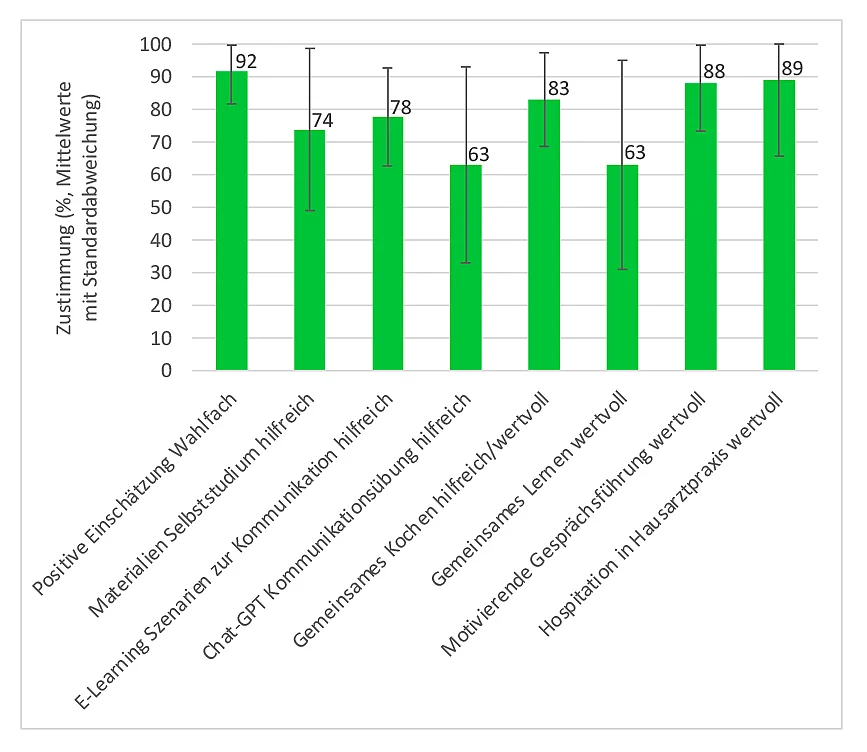
Significant increases in competence were observed among the students after participating in the elective course. Confidence in talking to patients about nutrition increased from 54% to 79% (p = 0.005). Knowledge of the climate impact of nutrition also improved significantly, from 49% to 77% (p = 0.014). Overall satisfaction with the elective course was very high among students at 92%. The internships in general practitioners' offices, the units on motivational interviewing, and the joint cooking sessions were rated particularly positively (see Fig. 1).
In Bonn, 10 general practices took part in the rotation, and eight general practitioners completed the questionnaire after completing the work shadowing. Participating general practitioners were on average 50 ± 13 years old; five were female and three were male. Three of the general practitioners had additional qualifications in nutritional counseling.
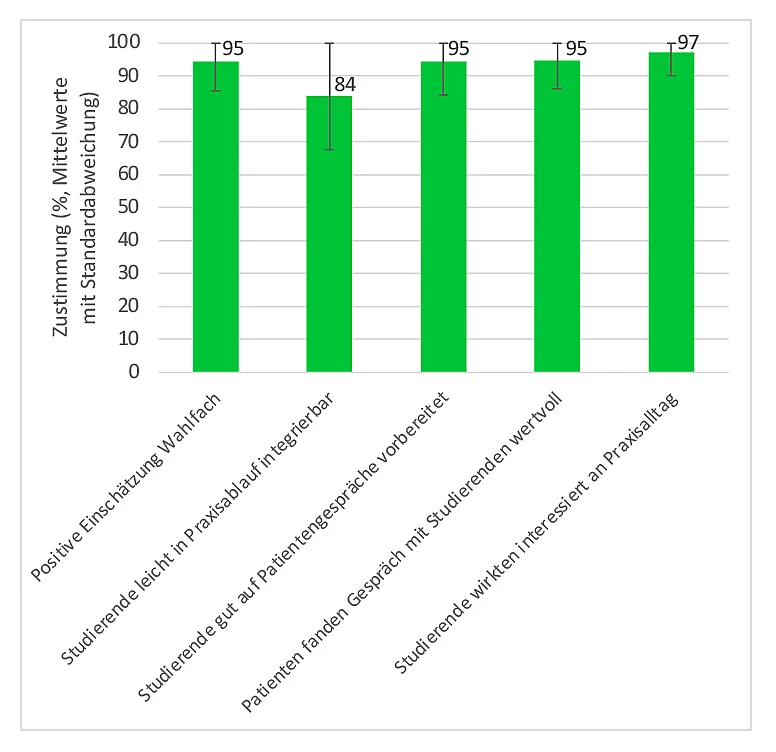
The family doctors already had a high level of competence and felt confident talking to their patients about their diet. While the family doctors stated that they had rarely talked to patients about the climate impact of their diet in the past (41 ± 25%), after participating in the elective course, they planned to do so much more frequently in the future (84 ± 16%).
The family doctors rated the elective course very positively, with a score of 95%. In their opinion, the students were very well prepared for the patient consultations on climate-sensitive nutrition and seemed interested in their everyday practice. Furthermore, the family doctors had the impression that their patients found the consultations with the students valuable (see Fig. 2).
The elective course EAT addresses preclinical students and general practitioners as (future) multipliers for sustainable nutrition. Two rotations in the summer semesters of 2024 and 2025 have been implemented with second-semester students and have been very well evaluated. In the self-evaluation, participation in the elective course increased the competence to talk to patients about sustainable nutrition.
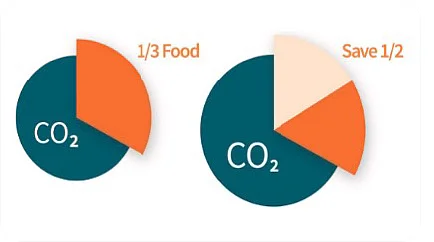
The global food system causes 25–34% of greenhouse gas emissions as well as air (e.g., through ammonia) and water pollution (e.g., through pesticides), loss of biodiversity (e.g., insects), and deteriorating soil quality.
Diet is the most influential lever in this regard—a shift to a climate-sensitive diet could achieve a reduction of half of these greenhouse gas emissions.
In addition, one in five deaths worldwide is attributable to unhealthy diets. Dietary risks rank fourth among the main risk factors for deaths (in general) in Germany, and many of the other risk factors are indirectly related to poor nutrition. These data show that a dietary change is essential for both human health and the health of the planet as a whole.
The Planetary Health Diet (PHD) is a scientifically based “menu for the future” that will enable ten billion people on Earth to eat healthily and sustainably in 2050. The concept was published in 2019 by an international team of scientists from the EAT-Lancet Commission. They formulated evidence-based recommendations on food choices and quantities, which should be adapted to national dietary habits.
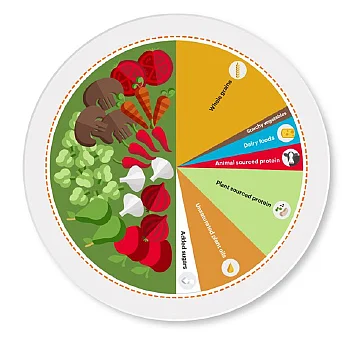
According to the PHD, the global consumption of vegetables, fruit, legumes, and nuts would have to double, while the consumption of sugar and red meat would have to be halved.
In 2024, the German Nutrition Society (DGE) published updated nutritional recommendations that took greater account of environmental and sustainability aspects. The DGE recommendations are largely consistent with the recommendations of the PHD.
A more sustainable diet takes health, environmental, social, and cultural aspects into account: the foods and dishes recommended in the Planetary Health Diet are not only resource-efficient and minimally processed, but also focus on enjoyment, digestibility, and fair trade conditions. The adjacent graphic from clearly illustrates the characteristics of a sustainable diet.
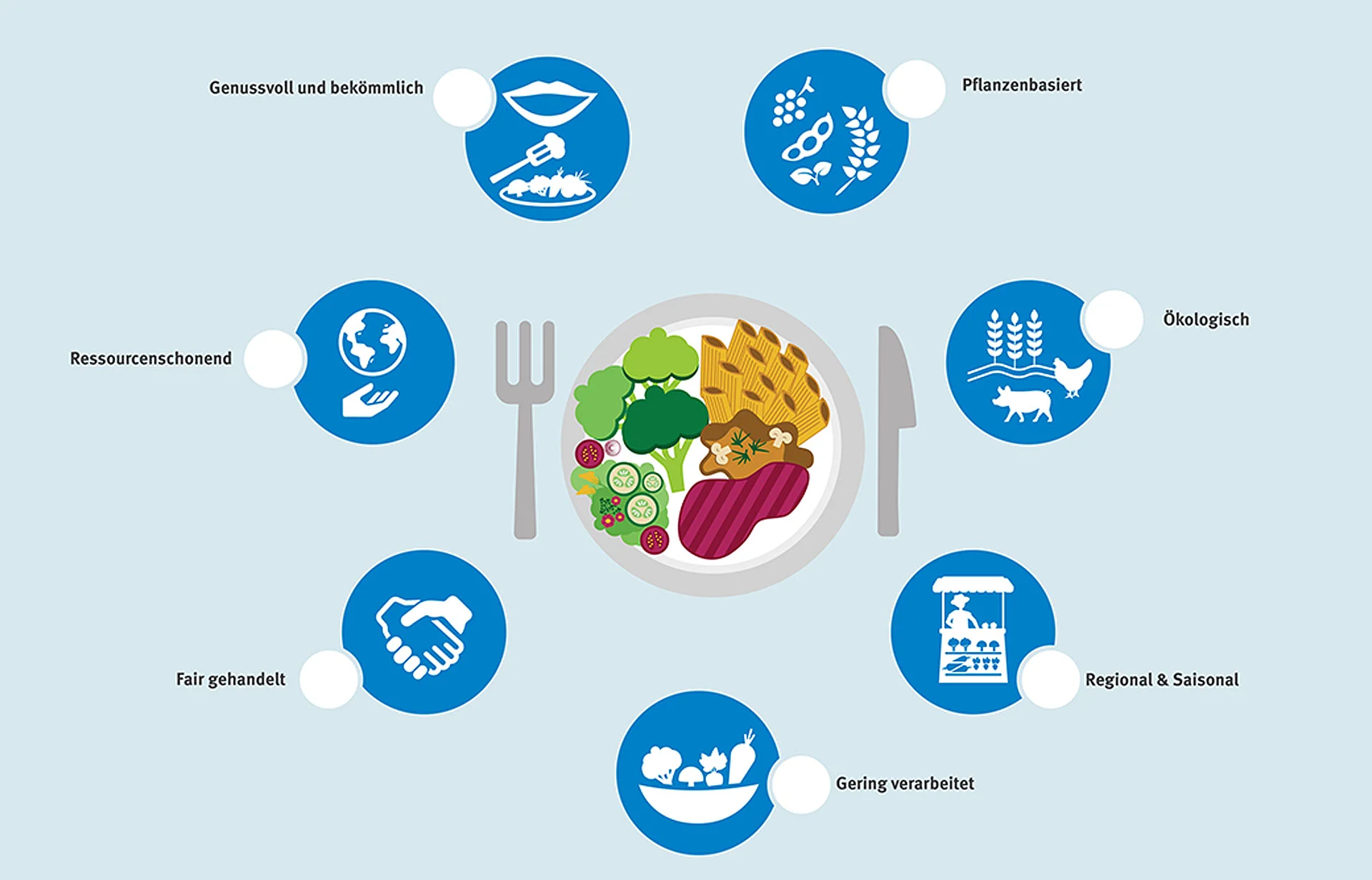
The Planetary Health Diet
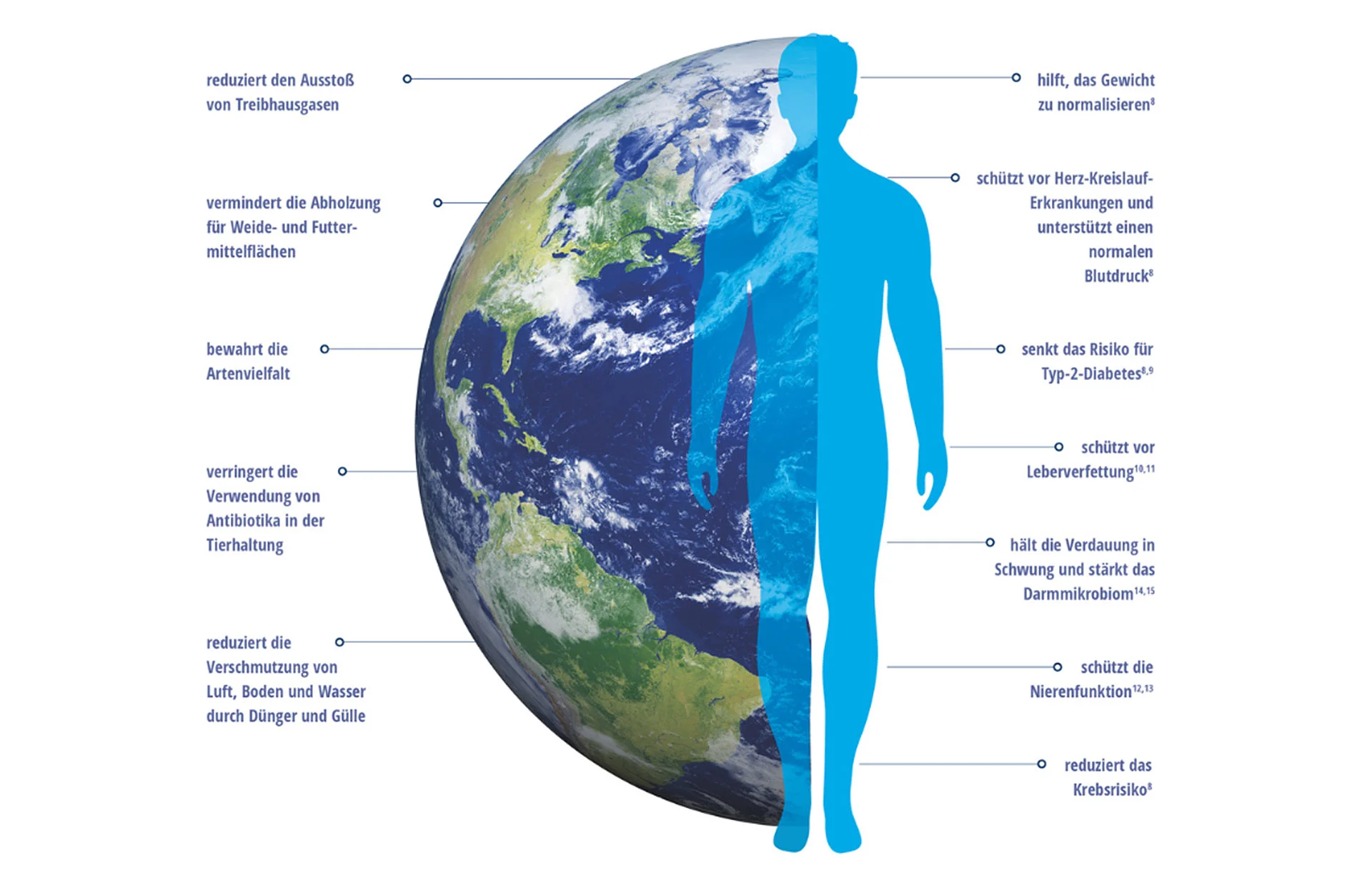
The Planetary Health Diet offers numerous benefits for planetary and human health, as shown in the adjacent graphic from the German Alliance for Climate Change and Health (KLUG).
Following the Planetary Health Diet reduces the risk of diet-related diseases in humans while also protecting our planet and its living creatures.
EAT is a binational project with highly competent partners who have practical experience:
- Institute of General Practice
- University of St. Andrews
- Developing recipes and supporting the show kitchen: Praxis Essgenuss
- Evaluation by uzbonn